
Handmade Italian Mules The Row Soft Tote
The Row’s Aesthetic Code, Explored: The Case for Why Less Is More
More than two decades have gone by since The Row set out showing that holding back functions as a singular kind of luxury. The label was founded by Mary-Kate and Ashley Olsen in 2006, and it made its mark not through branding or novelty drops but through precise tailoring, exacting proportions, and fabric choices favoring longevity over camera-readiness. Mention quiet luxury and, within moments, The Row will inevitably enter the discussion, because the brand essentially wrote the rulebook that others are still following. Its design philosophy rests on a simple premise: eliminate whatever isn’t essential to the garment or object, leaving only what stands the test of time. The same thinking spans ready-to-wear, outerwear, and, above all, the accessories line, where the row bags serve as a kind of quiet-status code. Making sense of The Row’s less-is-more ethos requires close attention to how garments are built, where materials come from, and the deliberate, almost architectural process guiding each launch.
Tracing the Origins of a Pared-Back Design Sensibility
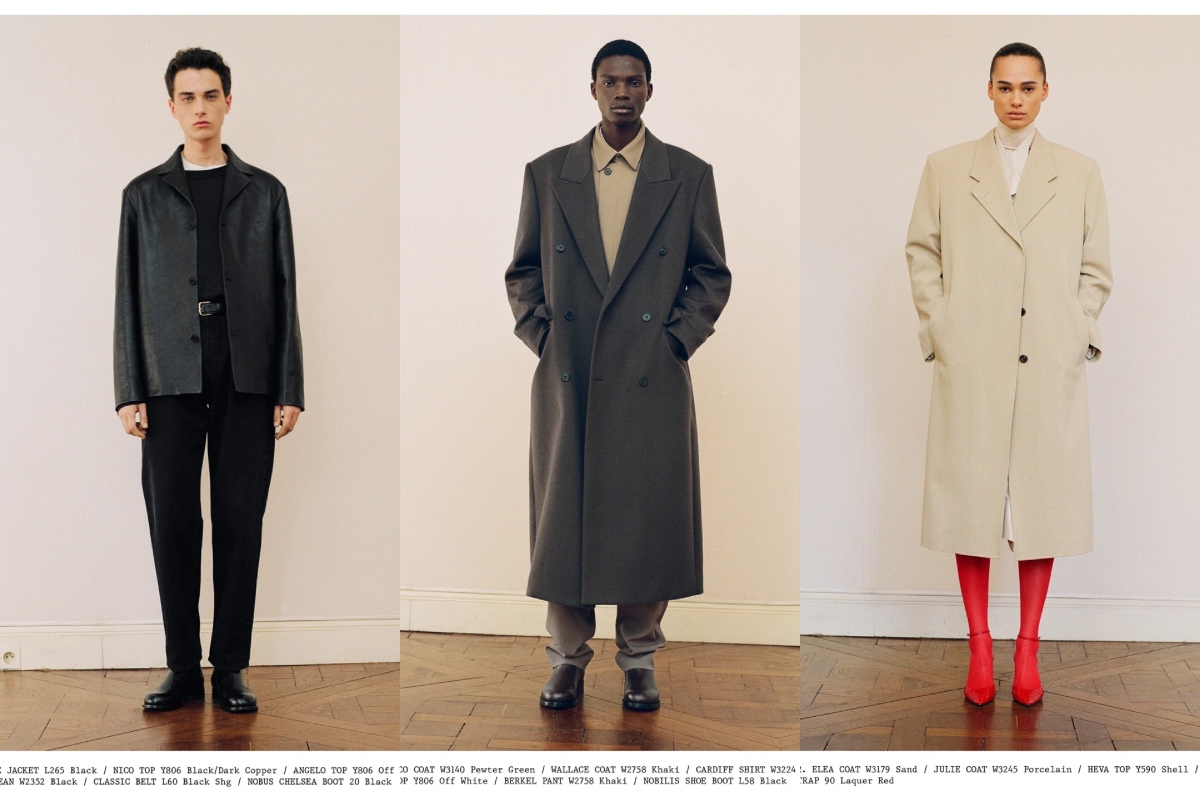
Back when The Row was launched by the Olsens, the industry was overrun with maximalist excess, heavy-handed branding, and quick-cycle turnover. They responded in a pointedly contrarian way: garments with barely any visible hardware, monochromatic color schemes, and silhouettes that were developed over months instead of mere weeks. This slow-build mentality became the brand’s signature, and it is why The Row comes up often in conversations about the row fashion as a standalone category, not merely a passing fad. The founders have spoken about wanting to create clothing and objects that people would still want to wear a decade later, which meant turning away from anything that seemed disposable. That philosophy required sourcing partnerships with ateliers in Italy and the UK able to hand-finish details that most shoppers never consciously register yet somehow sense. Seam allowances, lining weights, and even the tension of top-stitching are calibrated with an obsessiveness rarely seen outside true www.row-fashion.com couture houses. The outcome is a body of work in which minimalism reflects not an easy aesthetic choice but maximal, unseen effort.
The Reason the Bags Became the Brand’s Signature Item
Nowhere is this design ethos more clearly expressed than within the row handbags, which have steadily emerged as some of the most coveted accessories in contemporary fashion. In contrast to bags centered on a monogram or a hardware motif, the row bag designs are built purely around form, balance, and the leather’s own inherent quality. Arguably its most recognized style, the Margaux takes on an soft, unformed silhouette that takes on a different look depending on how it is held, creased, or loaded. That kind of design only works when the leather is outstanding, since there is nothing in the way of hardware or logos to call out any imperfection. The row tote bag options follow the same logic: large in scale, sparingly decorated, and made from vegetable-tanned or napa leathers selected because they a rich patina. People shopping around for top row bags repeatedly point out that the styles come across as long-term investments than seasonal purchases, and resale data backs this up, with several styles maintaining 60 to 75 percent of retail value years after release.
Without visible branding, the way these bags operate in social settings. Only those who already know what they’re looking at will recognize a row bag — which is the whole point. This has made the top row bags into something of an insider signal within fashion circles, prized specifically because they do not shout. Such understatement asks more of both material and build, since there is nowhere for imperfection to hide.
Understanding the Materials: Hide, Hardware, and Craftsmanship
The Row’s material choices reveal just how much technical thought underlies its minimalist appearance. Hides are chosen not just for softness but for how they will look after 500 uses, which is a very different calculation than choosing leather for how it looks on day one. Hardware, where it exists at all, is usually solid brass or matte-finished metal rather than anything shiny or logo-stamped, chosen so it will not date or flake. Stitching is often done in tonal thread specifically so it disappears into the leather rather than creating contrast lines. This is a clear break from bags designed around decorative stitching or contrast piping, and it requires leather cutters with significant skill, since any irregularity becomes instantly noticeable without a busy pattern to mask it. The row bags overview that circulates among resale experts and personal shoppers consistently highlights this construction quality as the primary reason these pieces hold high resale value. What buyers are paying for isn’t a logo stamped on fabric — it’s the hides and craftsmanship that were costly to produce from the outset.
Weighing Up The Row’s Core Bag Styles Against Each Other
For those trying to decide between the brand’s most coveted silhouettes, a side-by-side comparison helps spell out the practical differences in how each bag is meant to be used on a daily basis.
| Style | Shape | Suited To | Rigidity |
|---|---|---|---|
| Margaux | Soft-sided, open-top carryall | Daily carry, work commute | Unstructured |
| The Row Tote Bag (classic) | Generously sized, boxy-bottomed shape | Travel, larger everyday loads | Semi-structured |
| Compact top-handle styles | Petite, angular shape | After-dark events, the barest essentials | Structured |
Rather than being a single blueprint scaled up or down, the row bags—as this range makes clear—represent a spread of deliberate engineering choices, each suited to its own use case. Someone shopping for an everyday tote will have very different priorities than someone looking for a compact evening piece, and the brand’s range reflects that without ever abandoning its core aesthetic restraint.
How to Find Authentic Pieces and Navigate Row Sale Events
Because The Row does not discount aggressively or run frequent promotions, questions about where to buy the row margaux bag and similar styles tend to focus on authorized retailers rather than markdown hunting. The brand sells through its own boutiques and a small number of vetted department stores and luxury e-commerce platforms, which helps preserve both quality control and resale value. When a row sale does occur, it is typically tied to end-of-season inventory at authorized multi-brand retailers rather than the brand’s own channels, and availability on specific colorways or leathers can be limited. Caution is warranted around third-party sellers offering steep markdowns on the row bag styles, since counterfeits have grown more convincing on the secondary market as demand for these pieces has climbed. Practical ways to confirm a piece is genuine before buying on resale platforms include checking stitch consistency, hardware weight, and the interior lining stamp. For those specifically hunting the Margaux, contacting an authorized boutique directly is often more reliable than searching broadly online, since stock moves quickly and is not always reflected accurately across every retailer’s website.
What “Less Is More” Actually Means for Longevity
For anyone deciding whether to commit to the brand, that nuance carries weight: The Row label’s minimalism is ultimately a long-game strategy, not a stylistic whim. Clothing and accessories made with fewer ornamental details have fewer failure points over time, a fact that is a pragmatic point just as much as a matter of style. A logo can feel dated within a few seasons; a well-cut shoulder or a beautifully aged leather tote generally does not. This is why secondhand-market circles talking about the best row bags so often center their discussions on durability and long-term versatility over any alignment with fleeting trends. The brand has effectively built a category where understatement functions as a form of insurance against obsolescence. For anyone considering an investment buy in 2026, this line of thinking is worth taking seriously, since the design’s underlying philosophy is impossible to separate from the value the pieces hold years later. In The Row’s world, less has never translated into easier to produce. It has simply meant nothing remaining to detract from the making itself.